



Tick Prevention for Kids: The Best Protection Is the One They’ll Actually Wear
Ticks are easy for kids to pick up because kids play exactly where ticks live: grass, brush, wooded edges, parks, trails, campsites, sports fields, and backyards. The good news is that tick prevention for kids does not have to be a perfect routine. It just needs to be a repeatable one.
If you are wondering how to prevent ticks on kids, the most practical approach is to build protection into what your child already does. Dress them in clothes they will actually wear, but make them tick-repellent clothing. Get the socks, pants, and shirts they reach for treated with permethrin. Spray the shoes they put on anyway with Permethrin Spray. Then use tick checks and smart outdoor habits as the backup layer.

Quick Answer
The best tick prevention for kids is a layered routine: permethrin-treated clothing for covered areas, EPA-registered topical repellent for exposed skin, permethrin spray for shoes and gear, and tick checks after outdoor play. Kids tick prevention works best when it fits into what your child already wears and what your family can actually repeat.
Where Kids Pick Up Ticks and Where the Highest Risk Lives
Understanding what attracts ticks can help families identify potential exposure areas before children start playing.
Ticks wait on grass, brush, shrubs, leaf litter, or low vegetation and attach when a person or animal brushes against them. This behavior, known as questing, allows ticks to grab onto passing hosts without actively chasing them. Because of this, children often encounter ticks simply due to the nature of outdoor play.
Common tick habitats include:
- Tall grass
- Leaf litter
- Wooded trails
- Forest edges
- Overgrown backyards
- Parks and playgrounds near wooded areas
- Sports fields bordering brush or trees
- Campsites and hiking trails
Ticks tend to prefer shaded, humid environments where they can avoid drying out. Areas where lawns meet wooded spaces are often considered particularly high risk.
That does not mean kids should avoid the outdoors. Families just need to recognize where ticks are most likely to be found and take precautions before heading outside. Since ticks often contact shoes, socks, and lower pants first, this is where wearable and gear-based protection can be especially practical.

Why “Will They Wear It?” Matters So Much
Parents can buy the “best” tick protection in the world, but it does not help much if it sits in a drawer or they refuse to let you spray them down. We’ve all been there.
That is why a practical tick-prevention plan starts with knowing your child and first and foremost thinking: Will they wear it?
Permethrin-treated clothing is one of the most practical tools for tick prevention because it turns everyday clothing into a layer of protection. Ticks often start low and crawl upward, which is why treated socks, pants, shoes, and lower-body layers matter. The protection works while kids are simply wearing what they already planned to wear.
A layered approach is often the best method. For some families, that means buying ready-to-wear Insect Shield kids clothing. For others, it means sending in the favorite pants, shirts, leggings, camp clothes, or character socks their child already wears through Insect Shield Your Clothes for long-lasting, built-in permethrin treatment. For shoes, backpacks, tents, and gear, the right route is permethrin spray, because those items are not part of the send-in clothing treatment service. And finally, layering with a topical spray is also helpful if your child is willing to do it.
What Research and Expert Guidance Point To
Experts generally recommend a layered approach: reduce tick exposure, use EPA-registered repellents correctly, treat clothing and gear with permethrin, and check for ticks after time outside.
Permethrin-treated clothing is long-lasting tick protection
Up to 70 washings Insect Shield clothing repellency lasts up to 70 washings, the expected lifetime of the product.Treated socks and footwear can make a big difference
73.6x less likely A field study found people wearing permethrin-treated sneakers and socks were 73.6 times less likely to be bitten by a tick than people wearing untreated footwear.CDC recommends permethrin for clothing and gear
0.5% permethrin The CDC recommends treating clothing and gear with products containing 0.5% permethrin or buying permethrin-treated clothing and gear.Always follow product labels. Insect Shield Permethrin Spray is for clothing, shoes, and gear only. Do not apply permethrin spray to skin.
Choose the Right Tick Protection for Your Child
Instead of thinking about tick prevention as one product, think about it as a set of layers. Each layer has a different job. The right mix depends on where your child is going, what they will actually wear, and which items need protection.
| Need | Best Insect Shield path | Why it helps | Shop or learn |
|---|---|---|---|
| You want simple grab-and-go protection Best for camp, parks, travel, hiking, and backyard play. | Buy ready-to-wear Insect Shield kids clothing, socks, hats, and accessories. | The protection is built into the fabric, so there is no spraying, drying, or reapplication before every outing. | Shop Kids Clothing |
| Your child already has favorite clothes Best for picky dressers, camp packing, uniforms, and favorite layers. | Send in eligible clothing through Insect Shield Your Clothes. | You can add long-lasting, invisible, odorless repellency to the pants, shirts, socks, and layers your child already likes wearing. | Treat Their Clothes |
| You need to protect shoes, packs, tents, or gear Important: shoes cannot be treated through the send-in service. | Use Insect Shield Permethrin Spray on clothing, shoes, socks, tents, packs, and gear. | Shoes are one of the first places ticks may contact. Spraying shoes and gear creates an invisible step that works while kids are simply putting on what they already use. | Shop Spray |
| You need protection for exposed skin Not an Insect Shield product. | Use an EPA-registered topical repellent, such as picaridin or DEET, according to the label. | Clothing and gear protection helps covered areas. A topical repellent helps protect skin that is not covered by clothing. | EPA Tool |
Looking for the simplest place to start?
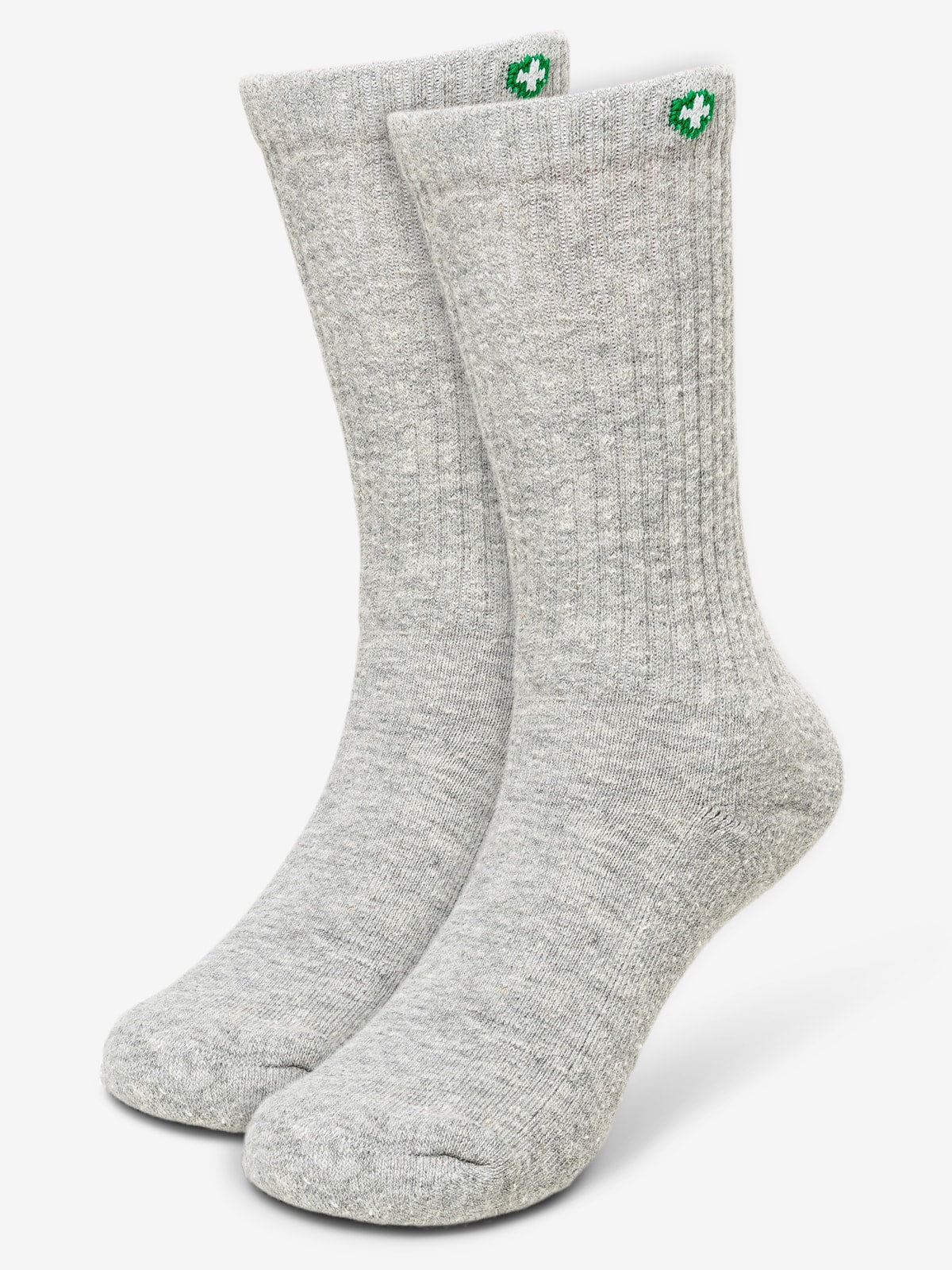
Start with permethrin-treated socks and spray your kids’ shoes with Permethrin Spray. Ticks often contact shoes, socks, and lower pants first, so this is a practical first line of defense that fits into what kids already put on before heading outside.
Pre-Outdoor Checklist for Parents: What to Wear & Where to Play
Before heading outside, a few small decisions can help reduce tick exposure. Those decisions start when getting dressed and choosing where kids play.
What to Wear
- Long pants when appropriate
- Socks that cover the ankles
- Closed-toe shoes sprayed with Permethrin Spray
- Hats for wooded environments
- Kids insect-repellent clothing
- Light-colored clothing that makes ticks easier to spot
Where to Play
- Stay near the center of hiking trails
- Avoid brushing against tall grass
- Limit time in dense brush
- Keep children out of leaf piles
- Choose maintained play areas when available
While this is the recommended attire to help prevent ticks, parents should be aware of weather conditions, and outfits should always be seasonally appropriate. For families looking for additional protection, some choose to treat their favorite clothes with insect repellent to expand their outdoor wardrobe options.
Shop by Situation
Parents do not just shop for “tick prevention”; they shop because camp starts next week, their child plays in the grass, the family is going hiking, or the backyard has wooded edges. Use the situation to choose the best path for you.
For camp
Pack treated socks, pants, leggings, shirts, and a hoodie. If your child already has favorite camp clothes, send eligible items in before camp starts.
For backyard play
Start with socks, shoes, and everyday play clothes. Backyard tick exposure is real, especially near brush, leaf litter, tall grass, and wooded edges.
For hiking and trails
Build protection from the ground up: treated socks, treated pants, sprayed shoes, and topical repellent on exposed skin.
For sports fields
When fields border brush or trees, add protection to socks, shoes, warm-up layers, and favorite practice clothes.
How Insect Shield Fits Into a Layered Tick-Prevention Plan
Insect Shield is not meant to replace every other tick-prevention habit. It is meant to make one of the most important layers easier to keep consistent: what your child wears.
With ready-to-wear Insect Shield clothing, the repellent is built into the fabric. With Insect Shield Your Clothes, you can add the same kind of long-lasting, invisible, odorless protection to eligible clothing your child already owns. With Insect Shield Permethrin Spray, you can treat shoes, packs, tents, and gear at home.
That mix matters because families are busy. Some days you remember every step. Some days your child is halfway out the door. Wearable protection helps make tick prevention less dependent on remembering to spray every covered area every time.
What about bug spray for skin?
For exposed skin, use an EPA-registered topical repellent such as picaridin or DEET. If you are comparing tick repellent for kids, you can also use the EPA tool to find the right repellent. Insect Shield Permethrin Spray is different: it is for clothing, shoes, and gear only. Do not apply permethrin spray to skin.
After Coming Indoors: Tick Checks, Showering & Laundry
What happens after outdoor activities can be just as important as what happens before when it comes to tick management and kids.
Ticks do not always attach immediately. Performing a quick post-outdoor routine after coming inside can help parents spot ticks before they become a serious problem.
After spending time outdoors, check:
- Behind the ears
- The hairline and scalp
- Around the neck
- Under the arms
- Behind the knees
- Around the waistline
- Around socks and footwear
Once you have done a thorough tick check, many experts recommend showering within a couple of hours of coming indoors after spending time in tick-prone areas. Showering can help wash away unattached ticks you may have missed and encourage a more thorough body check.
Laundry habits matter at this stage too. Ticks can sometimes hitch a ride indoors on clothing. Instead of risking a loose tick adventuring around your home for any longer than necessary, place clothes directly into the laundry or dryer. Dry clothing on high heat according to CDC guidance. While the laundry is running, inspect shoes, backpacks, and other gear to make sure no ticks are hiding.
Make it a kid-friendly routine
For younger kids, make tick prevention part of the normal outdoor routine: shoes on, socks on, outdoor clothes on, quick check when they come inside. For older kids, teach them to avoid tall grass when possible, stay near the center of trails, and tell an adult if they see a tick on their clothes or skin.
Build a tick-prevention routine your kid will actually use
Choose the option that best fits what your child wears, where they play, and what you need to treat.
For easy everyday wear
Shop Kids Clothing
For shoes, packs, tents, and gear
Shop Permethrin Spray
For clothes they already love
Treat Their ClothesFAQ: Questions Parents Ask About Tick Prevention for Kids
What is the best tick prevention for kids?
The best tick prevention for kids is usually a layered routine: treated clothing for covered areas, permethrin spray for shoes and gear, an EPA-registered topical repellent for exposed skin, and tick checks after outdoor play. The best option is the one your child will actually wear and your family can repeat consistently.
How do I protect my family from ticks?
If you are wondering how to protect your family from ticks, start with the places ticks are most likely to contact first: shoes, socks, and lower pants. Add permethrin-treated clothing, spray shoes and gear with Permethrin Spray, use an EPA-registered topical repellent on exposed skin, avoid high-risk tick habitats when possible, and do thorough tick checks after outdoor activities.
What is the best tick spray for kids?
It depends on where the spray is being used. For exposed skin, choose an EPA-registered topical repellent for kids, such as picaridin or DEET, and follow the label. For clothing, shoes, and gear, Insect Shield Permethrin Spray can be used on fabric items only. Do not apply permethrin spray to skin.
What should I look for in a tick repellent for kids?
For exposed skin, look for an EPA-registered tick repellent for kids and follow the label for age, application, and reapplication instructions. For covered areas, consider permethrin-treated clothing or treating eligible favorite clothes through Insect Shield Your Clothes. For shoes, packs, tents, and gear, use Permethrin Spray according to the label.
How often should I apply tick repellent on kids?
The answer depends on the product you are using. Always follow the label instructions for application and reapplication intervals. Factors such as activity and sweat level, weather conditions, water exposure, and time spent outdoors can affect how long a topical repellent remains effective. For Insect Shield Permethrin Spray, use it only on clothing, shoes, and gear, and reapply according to the label.
What can I do if my kid is sensitive to bug spray?
If your child has sensitivities to certain repellents, speak with your pediatrician about appropriate alternatives. Many families focus on protective clothing such as Insect Shield clothing, which has built-in insect repellent, along with sprayed shoes and gear, avoiding high-risk tick habitats, and performing regular tick checks as additional layers of protection.
What should my kids wear when playing outside to reduce the risk of tick bites?
Long pants, socks, closed-toe shoes sprayed with Permethrin Spray, and kids’ insect-repellent clothing can help reduce exposure to ticks. Light-colored clothing may also make ticks easier to spot during outdoor activities and tick checks.
How can I teach my kids about tick prevention?
Keep the conversation simple and age-appropriate. Teach children to stay on trails, avoid tall grass when possible, and participate in family tick checks after outdoor activities. Making prevention part of your normal outdoor routine can help build lifelong habits.
Can I use Insect Shield Permethrin Spray on my child’s skin?
No. Insect Shield Permethrin Spray is for clothing, shoes, and gear only. Do not apply it to skin. For exposed skin, use an EPA-registered topical repellent such as picaridin or DEET according to the label.
Can I send in my child’s favorite clothes for treatment?
Yes, eligible clothing can be sent in through Insect Shield Your Clothes. This is a strong option for kids who are particular about what they wear, because you can add protection to the garments they already choose.
Can Insect Shield treat my child’s shoes?
No. Shoes are not part of the send-in treatment service. To treat shoes, use Insect Shield Permethrin Spray according to the label and let the shoes dry completely before wearing.
Explore tick repellent clothing & gear


You may also like...


